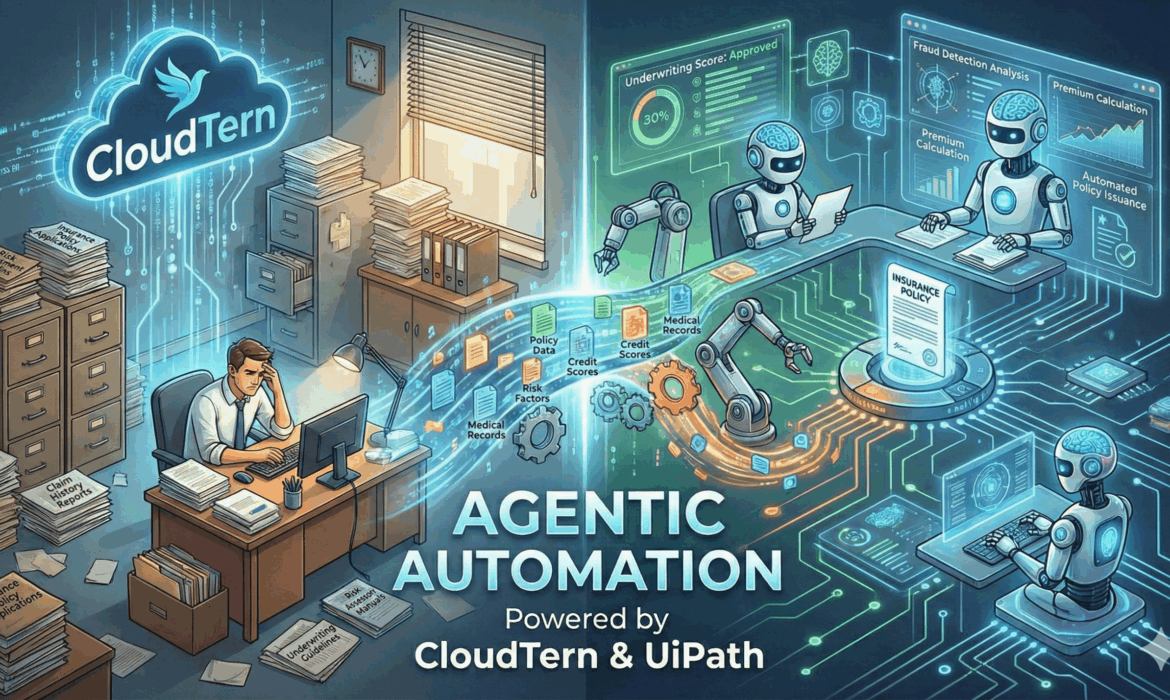
Reinventing Insurance Underwriting with Agentic Automation Powered by CloudTern & UiPath
The insurance industry is undergoing its most significant transformation in decades. Rising customer expectations, regulatory complexity, and massive volumes of unstructured data have pushed underwriting teams to their limits. Traditional RPA and rule-based automation helped but today’s underwriting landscape demands something more adaptive, more intelligent, and more autonomous.

ChatGPT Apps: Travel Booking MVP Using the ChatGPT Apps SDK – A Real Breakthrough in Enterprise AI Delivery
Build intelligent travel-booking experiences faster with the ChatGPT Apps SDK, combining reasoning, retrieval, and workflow execution. Move from concept to a working AI-powered MVP in days instead of months.
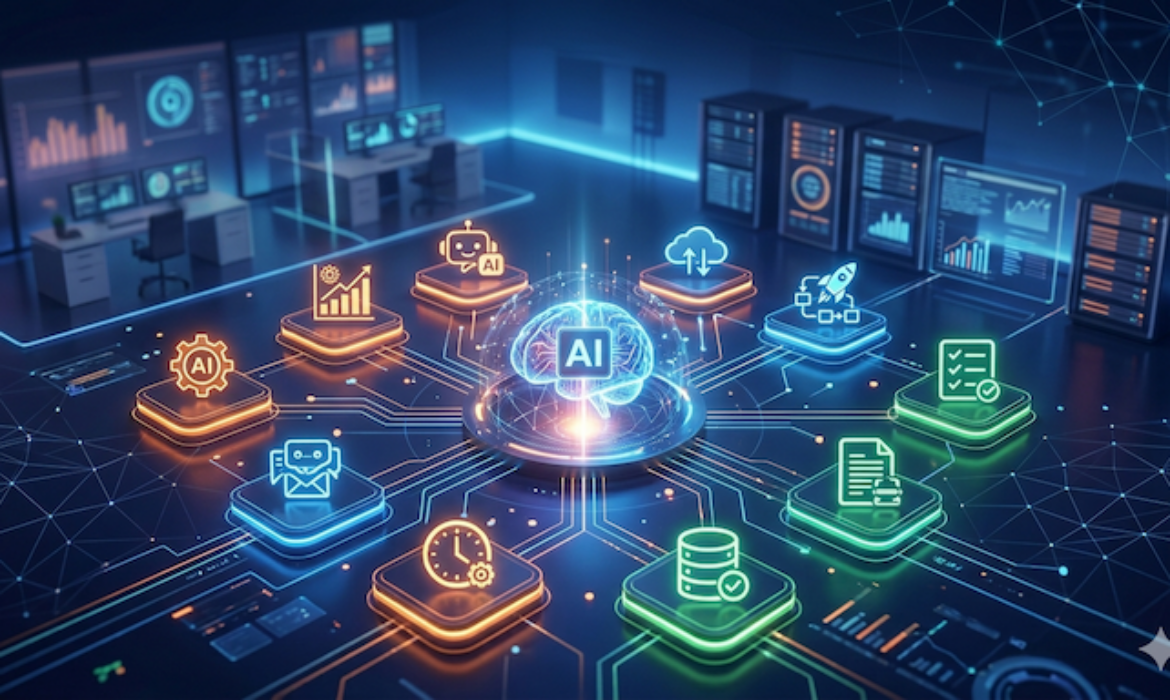
Top 10 AI Workflow Automation Platforms in 2025
Discover the top AI workflow automation platforms, categorized for small businesses, mid-sized companies, and large enterprises, to streamline your operations.

Transforming Talent Acquisition with Gen AI: A Competitive Advantage for Modern Organizations
In today’s competitive job market, winning top talent means recruiting faster, smarter, and at scale. Traditional systems fall short in delivering personalized, data-driven hiring. Generative AI is revolutionizing talent acquisition by using advanced AI models, especially large language models, to generate, understand, and optimize recruitment processes.

Unlocking Efficiency: How AI Can Eliminate Workflow Bottlenecks in Supply Chain
From unexpected delays to inaccurate forecasts, bottlenecks in supply chain workflows often arise not from major breakdowns, but from small, unnoticed inefficiencies compounded over time. The result? Slower delivery cycles, rising costs, and missed opportunities.
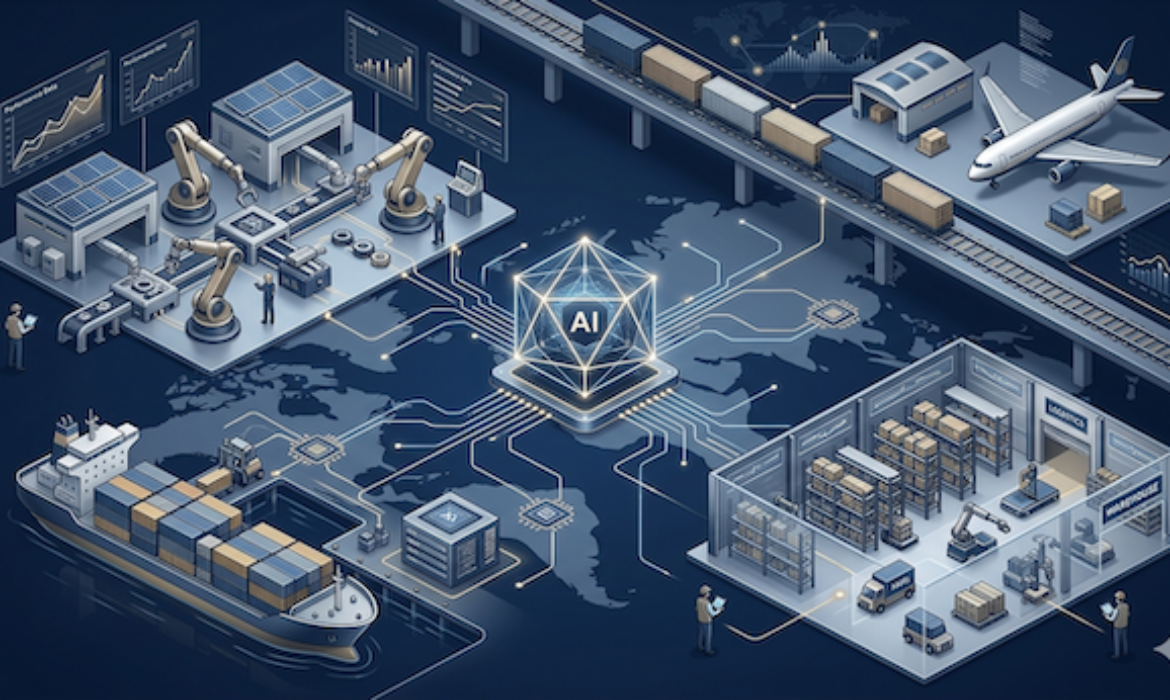
Mastering AI in Supply Chains: A Guide to Successful Implementation
Artificial Intelligence has become a vital component of supply chain management, driving transformation. From predictive analytics to automated inventory optimization, AI is revolutionizing the way businesses forecast, plan, and deliver. But successful AI implementation isn’t a one-size-fits-all solution; it requires careful preparation and a strong operational focus.
Mastering Supply Chain Efficiency: The Strategic Edge of AI
Supply chain management has always been a complex operation, balancing multiple moving parts across procurement, manufacturing, logistics, and delivery. Traditionally, businesses have struggled with challenges like limited visibility across the supply chain, inaccurate demand forecasting, delayed responses to disruptions, rising operational costs, and inefficient manual processes.
Harnessing AI: A Strategic Advantage For Today’s Business Leaders
In today’s fast-paced digital economy, artificial intelligence is no longer a futuristic concept – it’s a present-day differentiator. Forward-thinking leaders are increasingly viewing AI not just as a tool, but as a strategic imperative that drives efficiency & innovation.
AI-Powered Workflow Automation For Healthcare Efficiency
In an era where healthcare organizations are expected to deliver faster, more personalized care with tighter budgets & fewer resources, operational efficiency is no longer a luxury; it’s a necessity.
Revolutionizing Logistics Through Workflow Automation Success
Understanding Workflow Automation in Logistics
Workflow automation is rapidly transforming logistics, promising smoother operations from warehouse to doorstep. Early efforts focused on automating inventory and order processing through basic software and manual data entry. Key advancements like barcode scanners, RFID tags, and warehouse management systems (WMS) then enabled real-time tracking and improved inventory control, setting the stage for more comprehensive strategies.
Today, artificial intelligence (AI), machine learning (ML), and robotic process automation (RPA) are propelling further change. AI analyzes data to predict demand and optimize routes, while ML continuously refines workflows. RPA handles repetitive tasks like data entry and invoicing. This tech-driven shift is enhancing efficiency, accuracy, and responsiveness, reshaping the logistics landscape, and paving the way for future innovations.
Key Benefits of Automation for Supply Chains
Improved Efficiency and Productivity
One of the primary advantages of automation in supply chains is the significant boost in efficiency and productivity. Utilizing automated systems such as robotic process automation (RPA) and AI-driven analytics, businesses can streamline their operations and reduce the time required to complete tasks. By alleviating operational bottlenecks, teams can shift their focus from mundane, repetitive tasks to more strategic decision-making processes.
Cost Savings and Resource Optimization
Automation offers considerable cost savings by minimizing the reliance on labor and enhancing resource utilization. It mitigates human errors and improves inventory management through precise forecasting, enabling companies to avoid costly mistakes and issues related to overstocking. This heightened efficiency not only contributes positively to the overall financial performance but also allows for reinvestment in further innovations.
Enhanced Accuracy and Customer Satisfaction
The implementation of automation within supply chain operations dramatically increases accuracy, leading to a substantial reduction in human error. Improvements in order fulfillment and inventory tracking directly boost customer satisfaction, as orders are processed more accurately and delivered on time. Additionally, real-time updates on inventory levels and order statuses further enhance the customer experience.
Scalability and Adaptability
Automation equips businesses with vital scalability and adaptability in an ever-changing market. Automated systems can rapidly adjust to shifting demands, allowing businesses to remain agile without placing excessive strain on resources. This level of flexibility not only supports ongoing competitiveness but also promotes sustainable practices by optimizing resource utilization throughout the entire supply chain lifecycle.
Technologies Driving Workflow Automation Forward
Workflow automation is significantly propelled by several key technologies that enhance operational efficiency and streamline processes. One pivotal technology is Robotic Process Automation (RPA), which automates repetitive tasks, allowing employees to focus on more strategic activities. By integrating RPA with Artificial Intelligence (AI) and Machine Learning (ML), organizations can achieve hyper-automation, where complex, end-to-end processes are automated, driving higher productivity and adaptability to business needs. Cloud-based platforms also play a crucial role by providing accessible, scalable, and flexible solutions that allow businesses to implement automation without extensive infrastructure investments.
Additionally, advancements in integration technologies, such as Application Programming Interfaces (APIs) and low-code/no-code development platforms, facilitate seamless connectivity between various software applications and systems. This integration enables data flow across departments, enhancing collaboration and decision-making. Essential tools like AI-driven analytics further enable businesses to gain insights from operational data, optimizing workflows and improving overall process accuracy. Collectively, these technologies not only drive automation forward but also empower organizations to be more agile and responsive in today’s rapidly evolving market.
Challenges & Best Practices in Automated Workflow Adoption
Adopting automated workflow solutions comes with significant benefits, such as improved efficiency, reduced manual errors, and streamlined operations. However, organizations often face challenges, including resistance to change, integration complexities with existing systems, and high initial implementation costs. Additionally, ensuring data security, maintaining regulatory compliance, and training employees to adapt to new automated processes can be daunting. Without proper planning, businesses may struggle with workflow disruptions and limited scalability.
To successfully implement automation, organizations should follow best practices such as conducting a thorough assessment of existing workflows, selecting the right automation tools, and ensuring seamless integration with current systems. Prioritizing employee training and change management can help ease the transition and encourage adoption. Additionally, businesses should continuously monitor and optimize automated workflows to enhance performance and address evolving needs. By taking a strategic approach, companies can maximize the benefits of workflow automation while minimizing potential roadblocks.
Future Trends: The Next Phase of Workflow Automation in Logistics
The future of workflow automation in logistics is being influenced by several key trends. Artificial Intelligence (AI) and Machine Learning are significantly improving decision-making and demand forecasting, which results in enhanced operational efficiencies. The emergence of robotics and autonomous systems, including drones and automated guided vehicles (AGVs), is transforming warehouse operations and last-mile delivery, effectively addressing labor shortages and expediting processes.
In addition, the Internet of Things (IoT) enhances connectivity by offering real-time data on inventory levels and shipment statuses, allowing for proactive adjustments that boost efficiency. Cloud-based solutions are reshaping logistics management, enabling smooth collaboration, and providing real-time updates across all stakeholders involved. There is also an increasing emphasis on sustainability, with companies utilizing automation to optimize delivery routes and adopt environmentally friendly practices. Finally, blockchain technology is becoming more prevalent as it enhances transparency and security within logistics, offering a decentralized ledger that tracks shipments and verifies transactions, thereby reducing fraud and fostering trust among partners.